


Surgical innovations
The research team develops and validates next-generation microsurgical techniques to improve the efficacy and safety of innovative therapies in ophthalmology. It designs precision surgical methods to optimize interventions on the retina and facilitate the transfer of therapeutic advances to the patient.

Presentation
Advances in research in gene therapy, cell therapy, implants and pharmacological treatments require surgical procedures at the micrometric scale (the retina is less than 250 μm thick) and require rigorous standardization to guarantee their reproducibility and safety. At this level of precision, the slightest variation in speed, pressure, or angle of injection as well as hand tremors can modify the diffusion of the treatment, its efficacy or its tolerance profile.
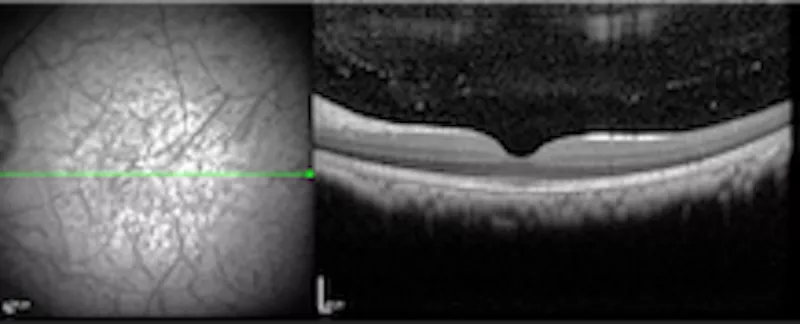
The team's work therefore focuses on the fine control of surgical parameters in order to guarantee stable and comparable experimental conditions. These include the optimization of targeted subretinal and intravitreal injections, the development of robust experimental models of macular degeneration, as well as the exploration of new surgical approaches for the management of macular edema resistant to conventional treatments. The whole is based on high-resolution multimodal imaging to precisely monitor the spread of treatments and to detect inflammatory or toxic phenomena early.
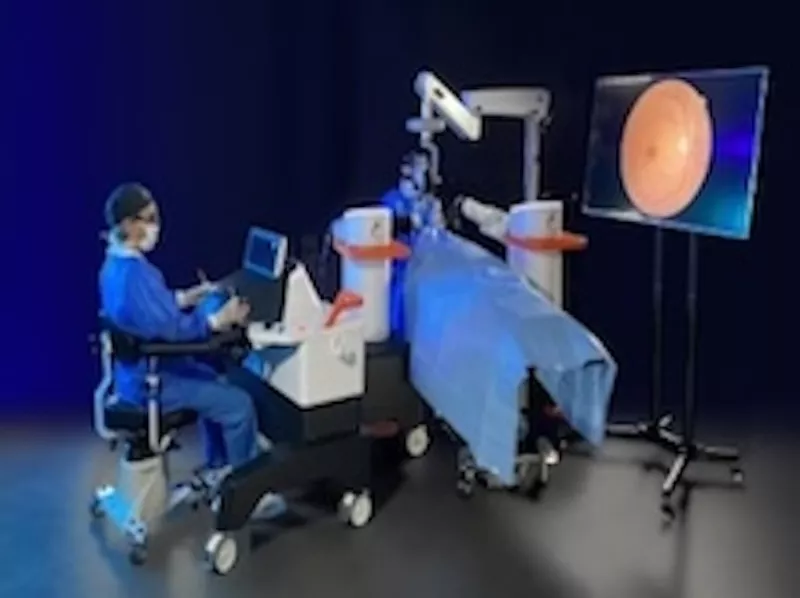
To overcome the limitations of manual techniques, the team is developing a robotic-assisted surgery platform that can filter micro-tremors, fine-tune injection speed, pressure, and flow, maintain consistent operating parameters from one procedure to the next, and integrate real-time 3D imaging and intraoperative OCT. At the same time, new personalized surgical instruments are being designed using 3D printing, with particular attention to morphological adaptation and the use of recyclable materials.
The team is working closely with the groups of Valentina Emiliani, Olivier Goureau, Olivier Marre and Serge Picaud to prepare the transfer of these techniques to research and clinical practice, in conjunction with the IHU FOReSIGHT for vision and the Quinze-Vingts National Ophthalmology Hospital.
Research areas
- Optimization of intraocular injections and control of surgical parameters.
- Development of reproducible models of retinal diseases.
- Preclinical evaluation of gene and cell therapies and retinal implants.
- Robotic surgery platform and personalized instrumentation.
Team members
Scientific publications
Below you will find the latest scientific publications in this field: Surgical innovations.