


Gene therapies and models for neurodegenerative diseases
We investigate various approaches of gene delivery to develop effective gene-based therapies for retinal degenerative disease and to create animal models of human diseases that accurately mimic the molecular mechanisms of disease

Presentation
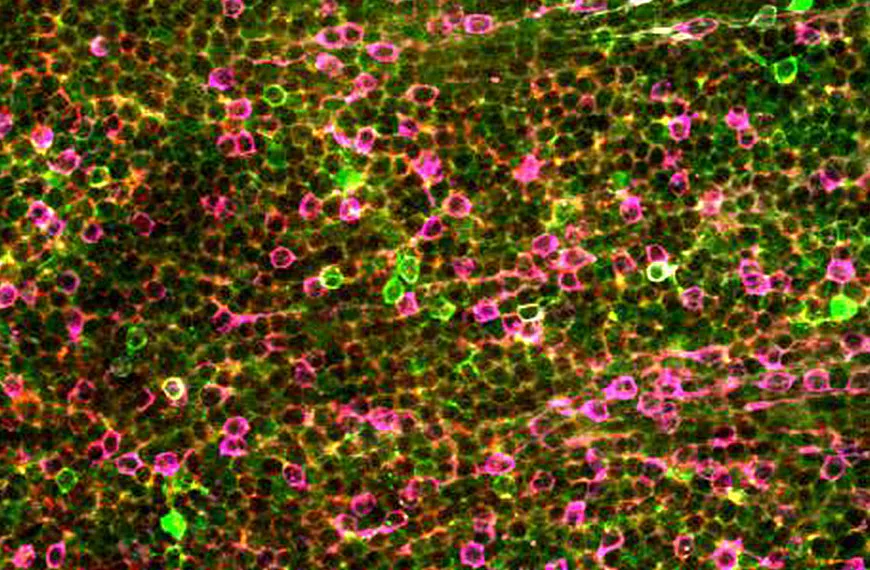
Gene therapy is the use of genetic material to treat, cure, or prevent a disease or medical condition caused by a deficient or dysfunctional protein. It involves the introduction of genetic material into a target cell. The principle of gene therapy is based on the transfer of a therapeutic gene using viral (adenoviruses, adeno-associated viruses, lentiviruses, herpes viruses) or non-viral (cationic liposomes and polymers) vectors as a result of which, the patient's cells will start to produce proteins that will correct a genetic disorder or acquired disease. Over the past decade significant progress has been made in our understanding of molecular and genetic mechanisms of inherited retinal degenerations. Armed with this knowledge, we have now the opportunity to develop gene-based therapies for a large number of retinal diseases. Thus, our first objective is to develop Adeno-associated virus (AAV) as a vector for therapeutic gene delivery to the retina and adapt it to various challenges that arise during retinal disease.
AAV is a non-pathogenic, non-immunogenic virus that allows safe and efficient gene delivery in vivo. Using this vector we develop three distinct strategies to combat retinal degenerative disease:
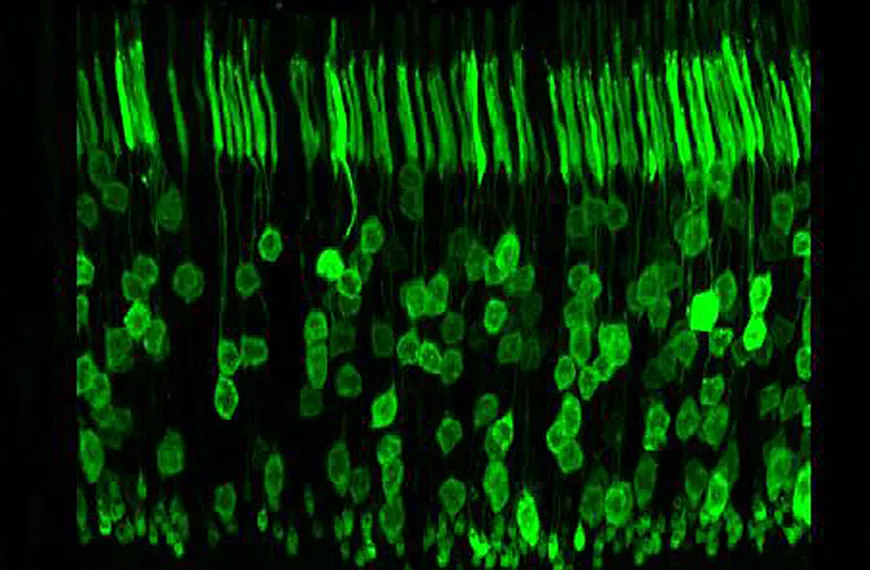
Traditional gene replacement therapy and gene knockdown therapy, targeting the photoreceptor cells of the retina are the most logical gene therapy approaches for the treatment of Retinitis Pigmentosa. By using rational and combinatorial strategies, we created AAVs that can transduce efficiently this therapeutically relevant cell type forgene replacement or, more complex genetic strategies such as trans-splicing for mRNA repair or genome editing using TALEnucleases or CrisperCas9 systems. With the developments in these newly emerging technologies and ameliorations in vectors targeting the photoreceptors of the retina, we can hope to provide treatments for dominant forms of Retinitis Pigmentosa.
Diseases with both genetic and environmental components (such as age-related macular degeneration and glaucoma) are much more common than the monogenic diseases. Gene based therapies for these diseases, and also for diseases without any known genetic component, are often based on delivery of a neuroprotective gene. We are interested in developing this alternative gene therapeutic strategy relying on the delivery of neuro-protective or anti-apoptotic genes. This mode of gene therapy equally relies on our ability to efficiently manipulate the AAV-based vectors to target various cell types in the retina and we have created a number of AAV serotypes with desirable properties in this context.
Delivering optogenetic tools to various cell types in the retina to restore visual responses in retinas having undergone photoreceptor degeneration is an innovative approach to restore visual responses in blind retinas. In the past years transforming non-light sensitive second and third order neurons of the retina to photoreceptive cells using optogenetic tools has been widely explored in rodent retinas. The success of these prosthetic strategies depends on the choice of the right optogenetic tool and restricting its expression to the right cell type. Using engineered AAVs to deliver new set of optogenetic tools to retinal cells will help us develop multiple treatment options once retina has lost its light capture capabilities. Furthermore, to carry this strategy towards the clinic, we are exploring and optimizing expression of light-gated channels from AAV vectors in non-human primate retinas.
Gene delivery also being a research tool, we are interested in delivering genes responsible for pathological conditions to create animal models of human diseases mimicking accurately the molecular mechanisms of disease. The choice of model animals is very important to translational research as it allows pre-clinical validation of therapeutic strategies. Thanks to our engineered gene delivery vectors and knowledge on mechanisms of neurodegenerative diseases of the retina we can envision mimicking a number of pathological conditions by somatic transgenesis namely in cases where animal models mimicking human disease are not available.
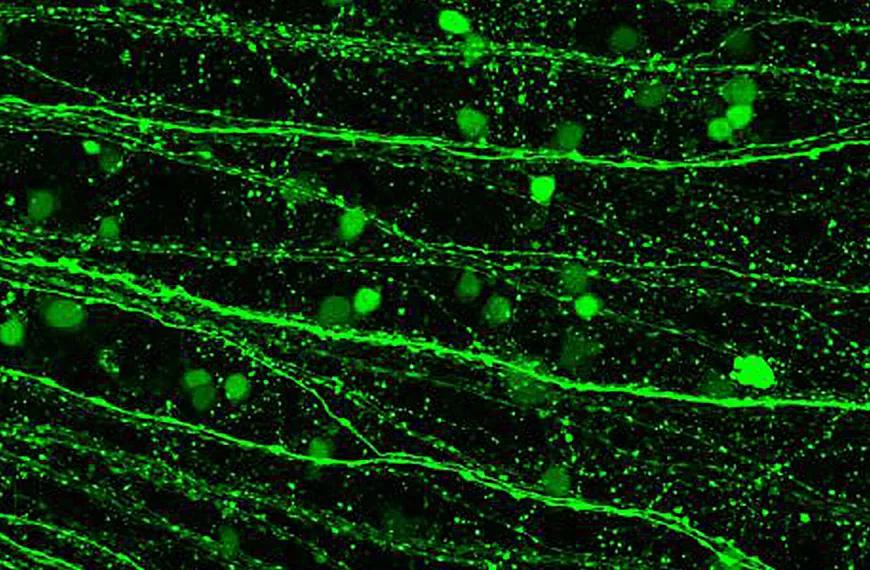
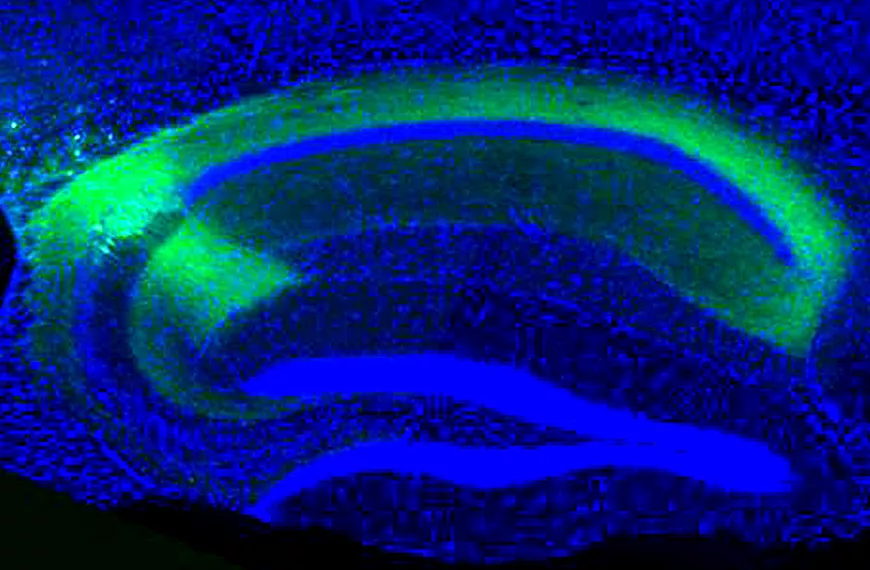
Lastly, we are interested in developing Adeno-associated viral vectors as tools to investigate the visual system. The small size of AAV allows easy diffusion across neural tissue and leads to continuous gene expression after a single injection making it a very favorable choice for gene delivery in the neural tissue. Furthermore, AAV presents some retrograde and anterograde labeling properties. However the big shortcoming of AAV is its limited carrying capacity AAVs do not currently provide trans-synaptic labeling efficiently. In view of the shortcomings of viral tools for circuit tracing, we are interested in developing AAV to do this more efficiently.

Research areas
- Development of AAV-based gene therapies for retinal diseases.
- Animal models of human neurodegenerative disease.
- Development of new AAV vectors for gene delivery to the retina.
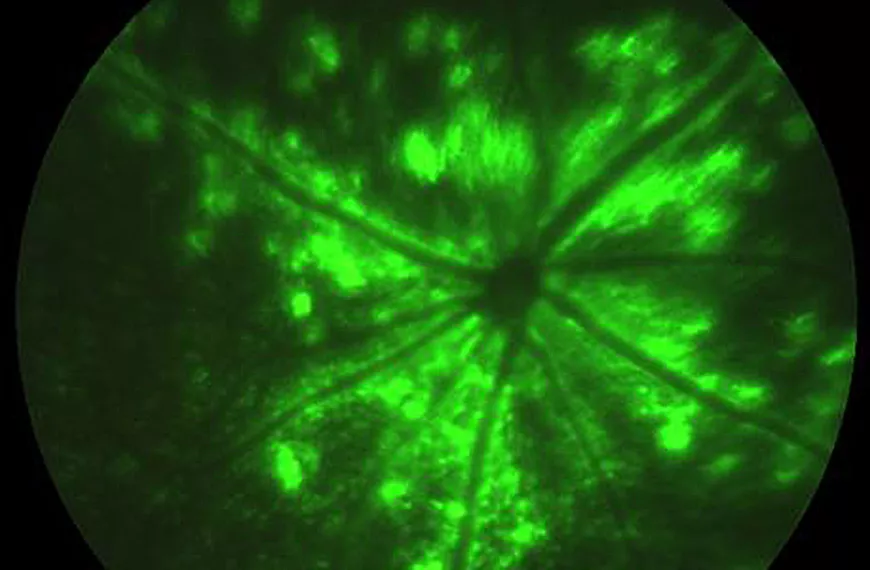
- Understanding the changes in viral distribution in retinas undergoing disease
Team members









Scientific publications
Below you will find the latest scientific publications in this field: Gene therapies and models for neurodegenerative diseases.